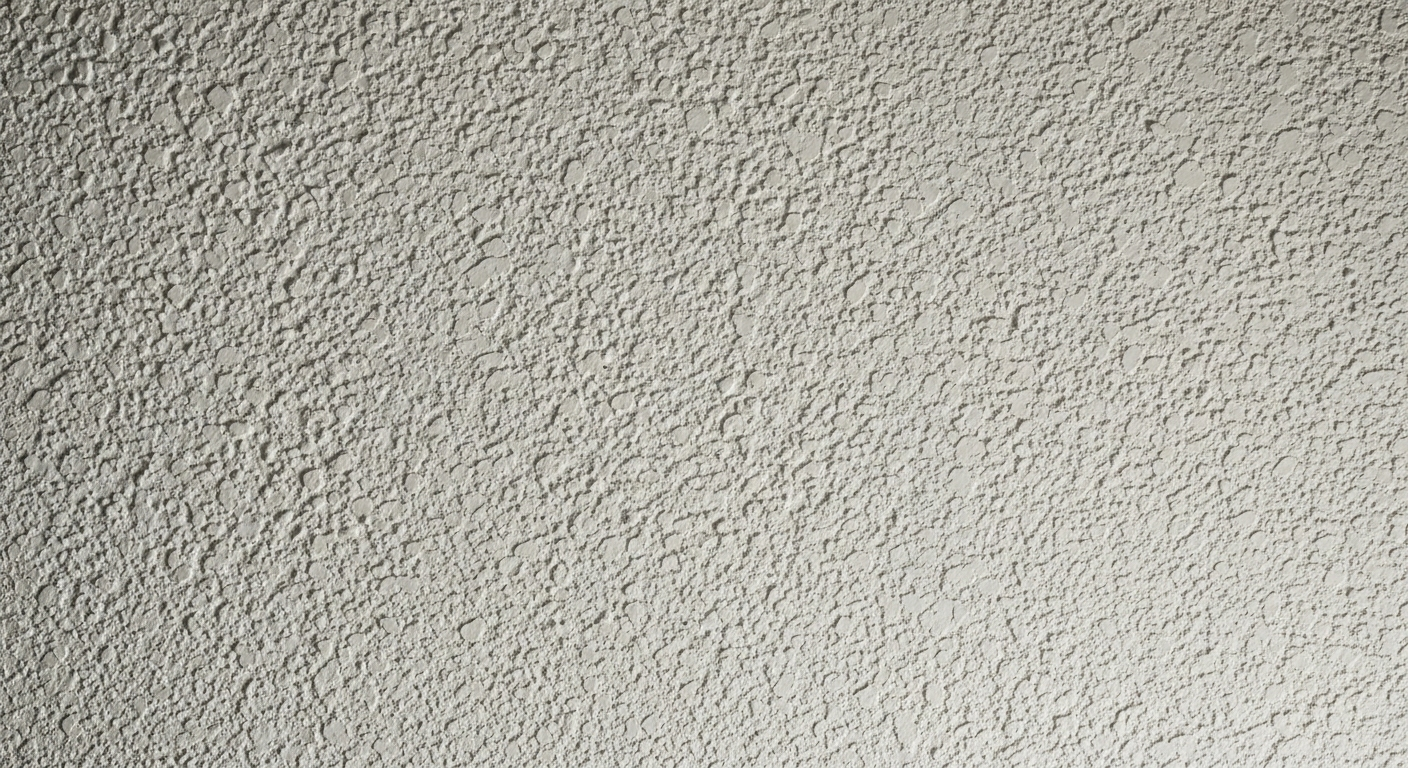
If you own a home built between the 1960s and the late 1990s in Houston, there is a very high probability you look up every day and see a rough, bumpy, "cottage cheese" texture clinging to your ceiling. Commonly known as a popcorn ceiling, this acoustic texture was heavily favored by builders for decades.
Today, popcorn ceilings are universally disliked. They collect heavy dust, they cast unsightly shadows that make rooms feel smaller and darker, and they instantly date the architecture of your home. If you want to modernize a property in The Heights or River Oaks, removing the popcorn is step one.
But before you grab a ladder and a scraping tool off the shelf of your local hardware store, stop. Removing a popcorn ceiling is widely considered one of the most grueling, messy, and potentially dangerous home renovation projects you can undertake. Here is why hiring a professional is absolutely necessary.
1. The Hidden Danger: Asbestos Exposure
The single most critical reason you should not attempt to remove a popcorn ceiling yourself is the severe risk of asbestos exposure. Prior to the Clean Air Act of 1978, asbestos was a primary ingredient in the acoustic sprays used to create popcorn ceilings. It was favored because it was cheap, lightweight, and fire-retardant.
When asbestos fibers are undisturbed and bound in the ceiling matrix, they pose little threat. However, the moment you begin to scrape, sand, or gouge the ceiling, you release microscopic, toxic fibers into the air. Inhaling these fibers is directly linked to Mesothelioma and lung cancer.
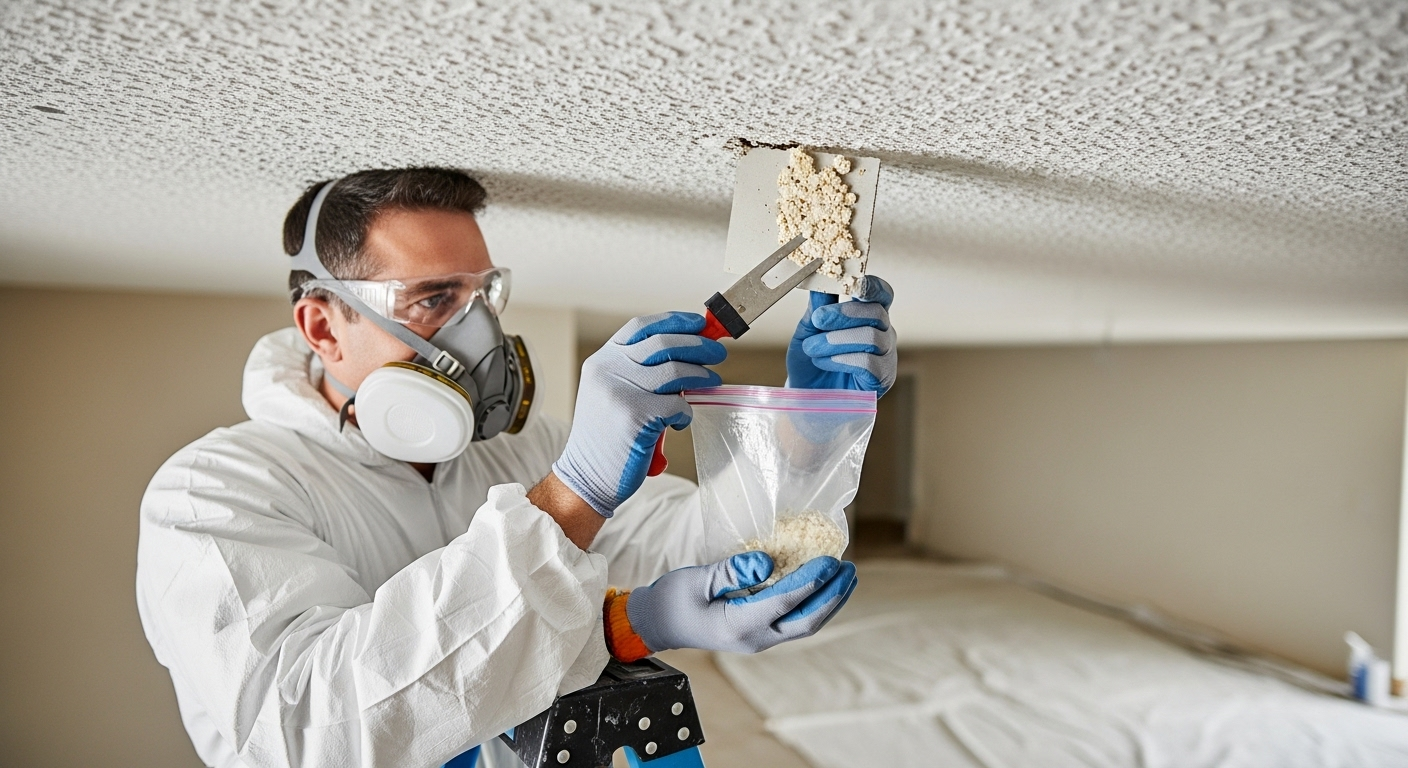
If your Houston home was built before 1980 (and sometimes even a few years after, as contractors used up leftover stock), you must have a certified laboratory test a sample of the ceiling before any work begins. A professional contractor handles this testing and employs strict OSHA-compliant abatement procedures if asbestos is found.
2. The Massive Scale of the Mess
DIY blogs make scraping look satisfying. What they don't show you is the sheer volume of wet, heavy debris that falls to the floor. When you scrape a standard 15x15 living room, you are generating hundreds of pounds of saturated joint compound.
If you miss a single spot while taping off the room with plastic drop cloths, that wet compound will ruin your hardwood floors, embed itself permanently into your carpets, and destroy your furniture. Furthermore, the microscopic dust generated during the sanding process will infiltrate your home's HVAC system, circulating white dust for months.
Professional contractors like DPS Design utilize specialized containment methods:
- Complete "floor-to-ceiling" 3-mil plastic encapsulation of the room.
- Negative air pressure machines to direct dust out of the home.
- Industrial HEPA-filter vacuums attached directly to the sanding equipment.
3. The Art of Flawless Drywall Finishing
This is the secret that builders don't want you to know: Popcorn texture was used to hide terrible drywall work. Spraying acoustic texture was a cheap, fast way for builders to cover up uneven drywall seams, exposed screw heads, and sloppy taping jobs.
When a DIYer successfully scrapes off the popcorn, they are often horrified by what they find underneath. The ceiling is not a smooth, ready-to-paint surface. It is a scarred, jagged mess of bare drywall.
The Skim Coat Challenge in Houston Humidity
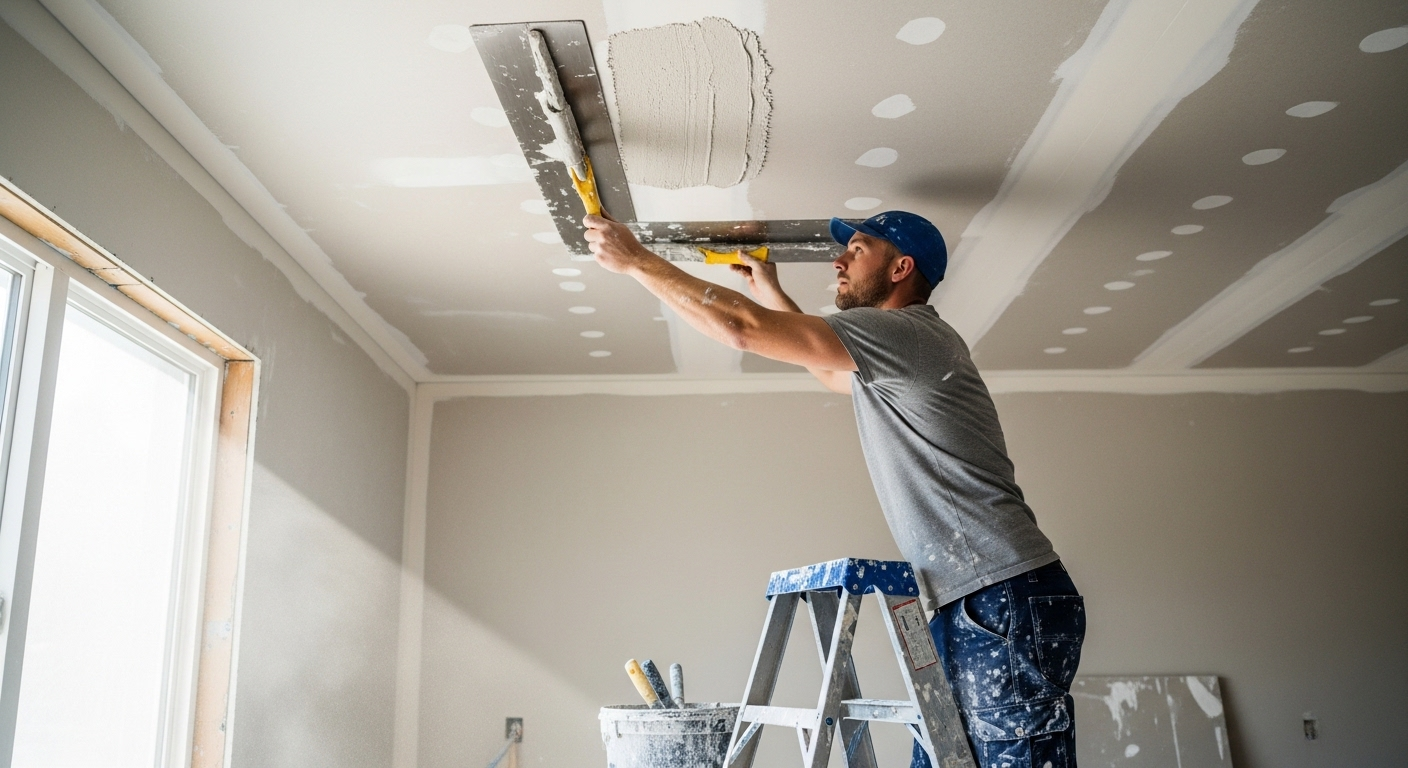
To achieve a modern, perfectly smooth ceiling (known in the industry as a Level 5 finish), the entire ceiling must be "floated" or "skim-coated." A professional drywaller will use a wide trowel to apply a thin layer of joint compound across the entire ceiling, wait for it to dry, sand it perfectly flat, and repeat the process.
"Skim-coating a ceiling is an incredibly difficult physical skill. You are working over your head, attempting to create a perfectly flat plane. Add in the heavy Houston humidity—which dramatically slows down the curing time of drywall mud—and it is a recipe for DIY disaster."
Professionals know how to use quick-setting "hot mud" to bypass humidity issues and have the physical stamina and technique to float a ceiling flawlessly.
4. Conclusion: Protect Your Home and Your Sanity
Removing a popcorn ceiling is a transformative upgrade that will immediately increase the resale value of your home. However, between the severe health risks of asbestos, the catastrophic mess, and the high-level drywall finishing required afterward, it is firmly a job for the professionals.
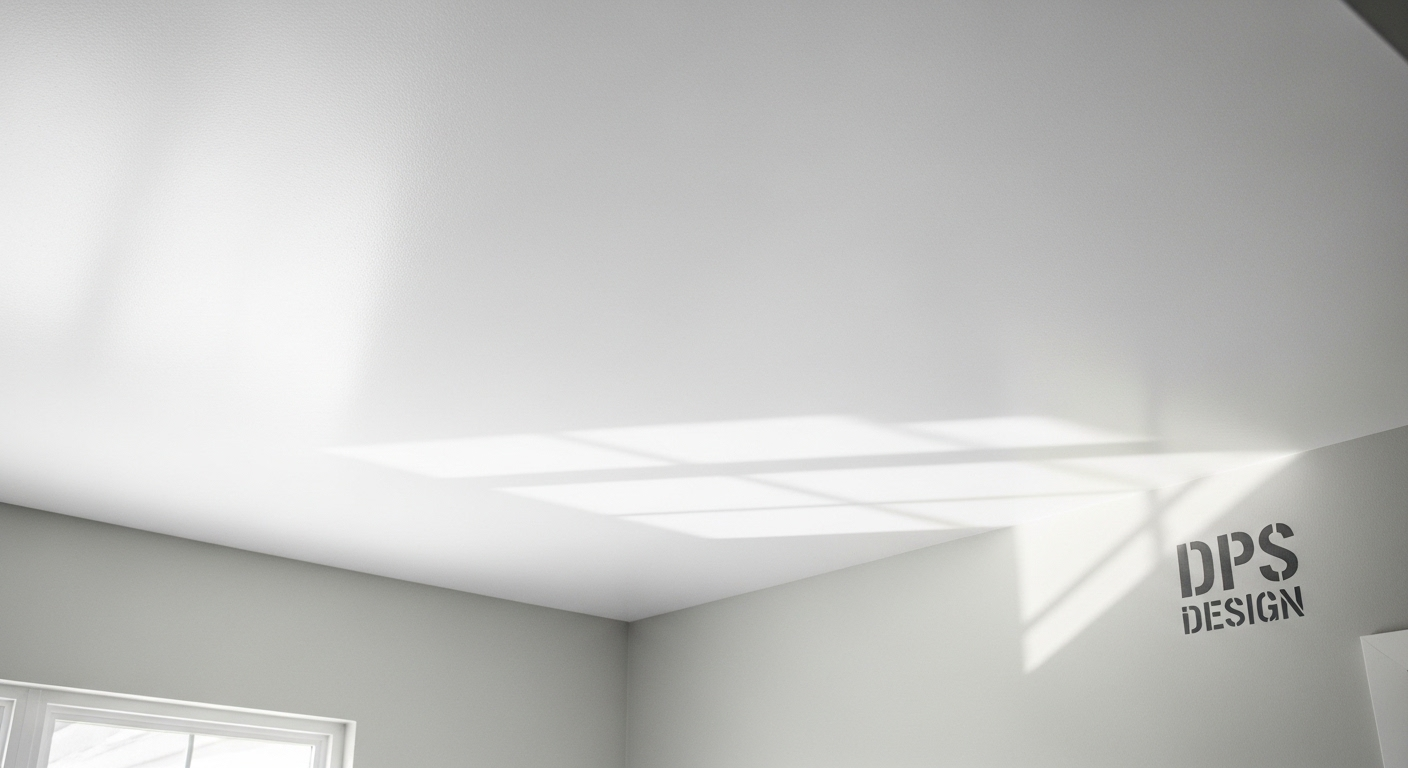
By hiring a fully insured, experienced crew, you guarantee that the job will be done safely, quickly, and to an absolute standard of perfection.
Houston Popcorn Ceiling FAQs
Is it safe to scrape my own popcorn ceiling?
If your home was built before 1978, it is highly dangerous to scrape a popcorn ceiling without testing for asbestos first. Professional contractors use specialized HEPA filtration, negative air pressure, and protective equipment to ensure toxic fibers do not contaminate your home.
How much does it cost to remove popcorn ceilings in Houston?
Professional popcorn ceiling removal in Houston generally ranges from $1.50 to $3.00 per square foot. This price includes scraping, skimming the drywall to a smooth finish, priming, and applying a final coat of ceiling paint. Homes requiring asbestos abatement will cost significantly more.
Why is my ceiling ugly and uneven after I scraped off the popcorn?
Popcorn texture was originally used to hide imperfect drywall seams and bad taping jobs. When you scrape it off, you reveal the raw, unfinished drywall joints. A professional must "float" or "skim coat" the entire ceiling with joint compound to create a perfectly flat, modern surface.
How long does popcorn ceiling removal take?
For an average-sized Houston home, a professional crew can typically remove the texture, skim coat, prime, and paint the ceilings within 3 to 5 days. High Houston humidity can extend the curing time of the drywall mud between coats, which professionals account for by using specialized materials.
Ready to Modernize Your Home?
Stop living with dated, dusty ceilings. Our Houston experts provide clean, safe removal and flawless smooth finishes.
Get a Free Estimate